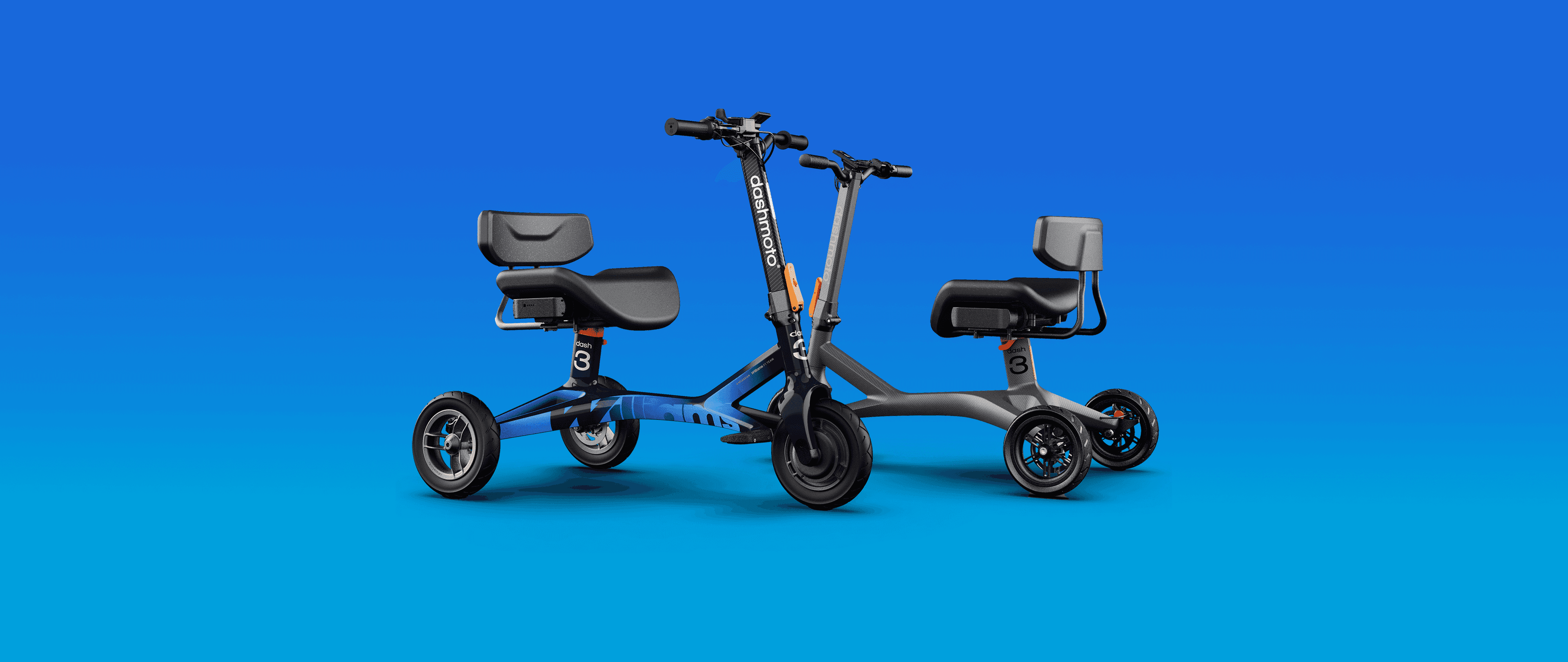
dash 3 Williams edition Regenerative Braking and Cruise control Explained
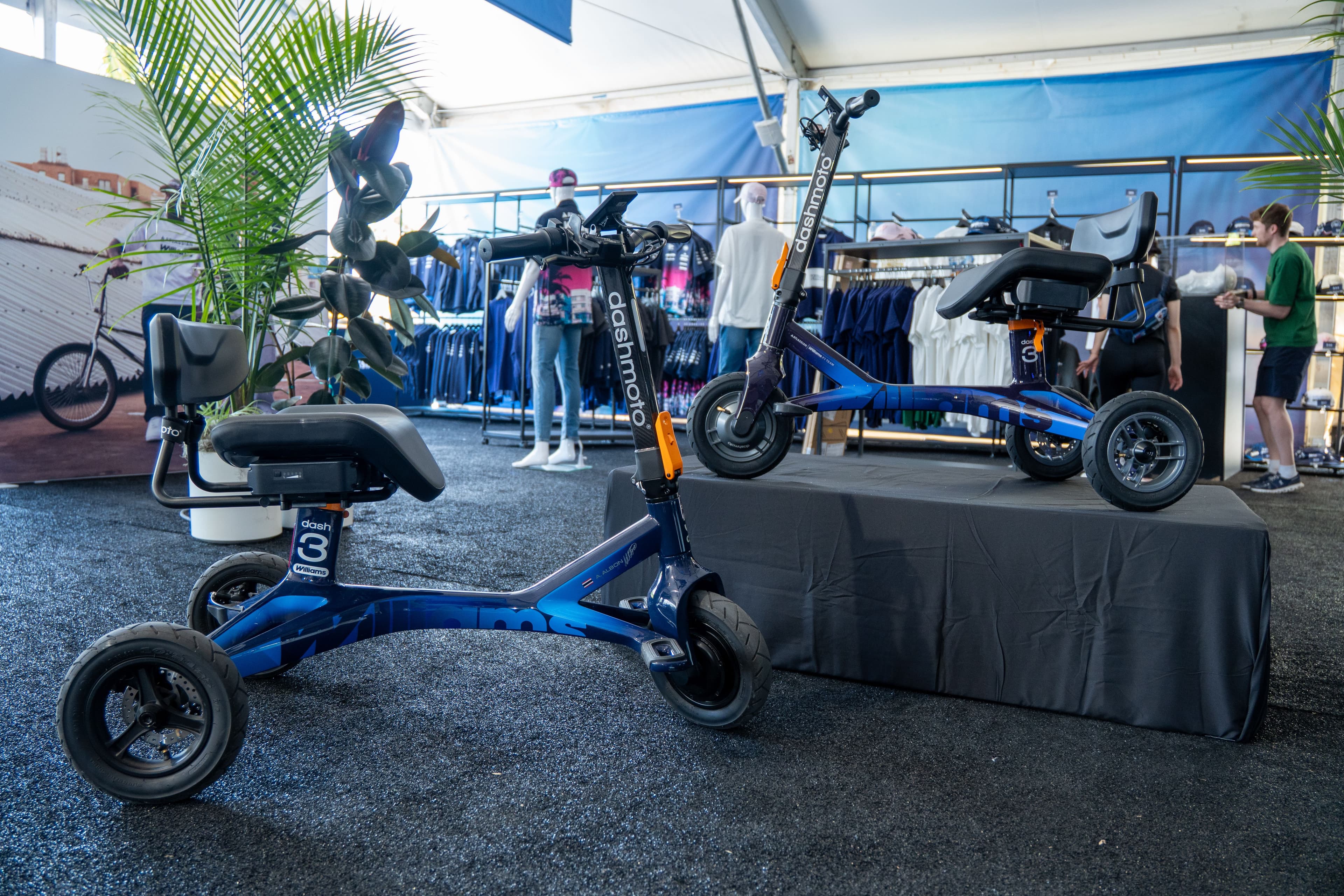
The dash 3 Williams edition regenerative braking system is designed to make every ride feel smoother, more controlled, and more intuitive. Understanding how the dash 3 Williams edition regenerative braking system works, along with cruise control, will help you get the most out of every ride while knowing exactly what to expect in different situations.
Both features are designed to improve the riding experience, but they serve very different purposes. Once you understand what each one does, and what it does not do, riding becomes even more natural.
Cruise control helps you settle into the ride
Cruise control is designed for comfort. Instead of holding the throttle at a steady position, the scooter can maintain your current speed for you. It is especially useful on longer, uninterrupted rides where you want a more relaxed riding experience.
How to activate cruise control
Ride at your desired speed, then press the Up Arrow and M buttons simultaneously. The scooter will continue traveling at that speed until Cruise control is disengaged.
To cancel cruise control, simply apply either hand brake or twist the throttle. Either action immediately returns full control back to you, allowing you to respond quickly whenever riding conditions change.
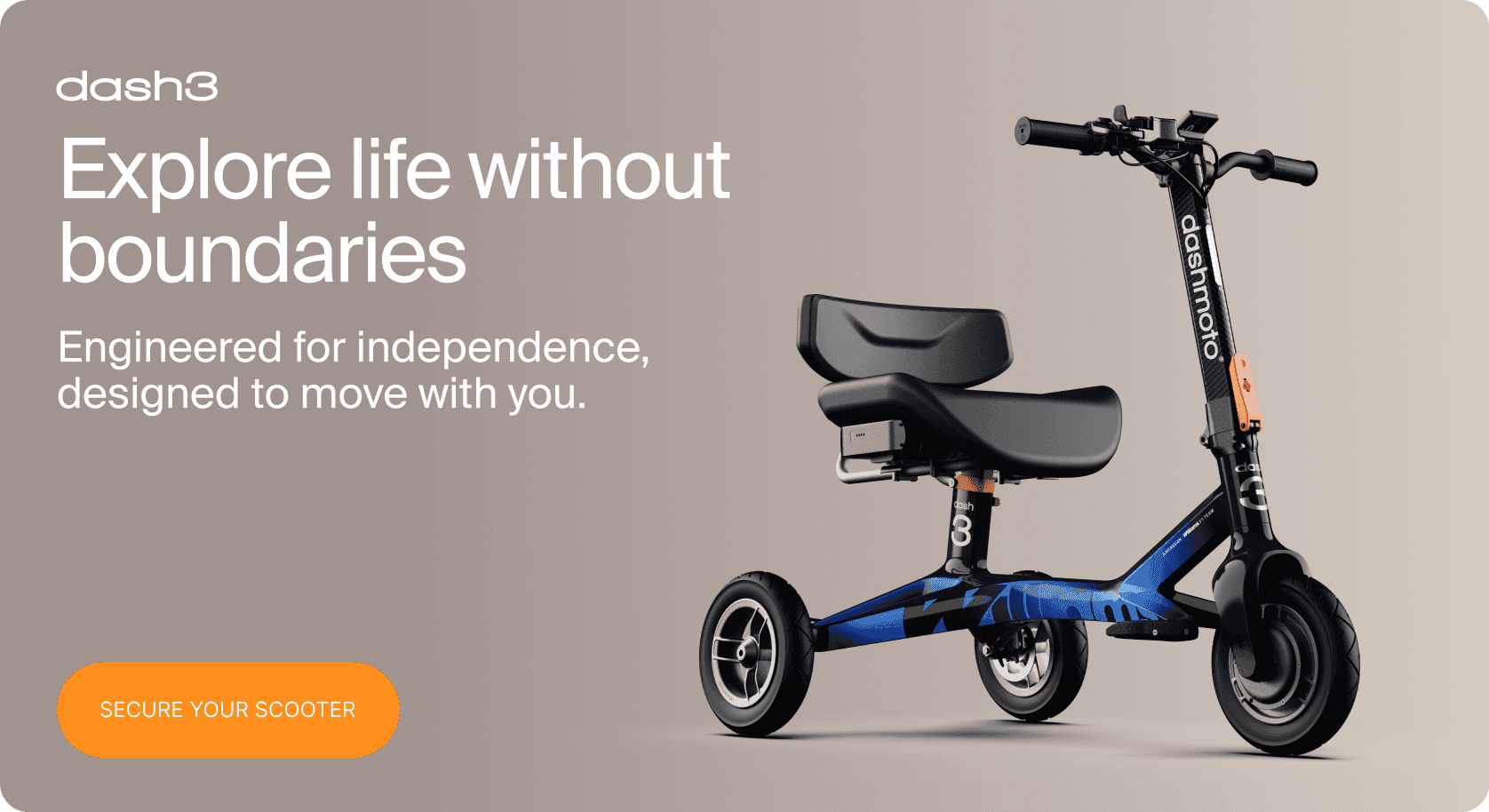
Regenerative braking is gentle deceleration, not braking
Regenerative braking is one of the most misunderstood technologies on electric scooters. While the name includes the word braking, its primary purpose is to create gentle deceleration while recovering a small amount of energy back into the battery.
How regenerative braking works
The dash 3 Williams edition regenerative braking system can be adjusted in the Settings Menu with three options, off, standard, and high. When you release the throttle, the motor creates light resistance that gradually slows the scooter instead of allowing it to coast freely. During this process, a small amount of energy is redirected back into the battery.
The result is a smoother, more refined riding experience that can reduce how often you need to reach for the hand brakes during gradual speed changes.
Understanding what regenerative braking cannot do
The dash 3 Williams edition regenerative braking system is not designed to replace your hand brakes. It will not bring the scooter to a complete stop, hold the scooter in place on a hill, or safely control your speed on downhill grades.
If your scooter continues rolling down a small hill after you release the throttle, that is completely normal. The gentle slowing effect created by regenerative braking cannot overcome gravity on an incline. Whenever you are riding downhill or need to stop, always use the hand brakes to safely control your speed.
Understanding the difference between deceleration and braking helps you use both systems exactly as they were intended. Regenerative braking makes the ride feel smoother, while the hand brakes provide the stopping power you need when it matters most.
The dash 3 Williams edition was engineered to deliver a riding experience that feels precise, predictable, and confidence inspiring. Features like Cruise control and regenerative braking are designed to complement your riding style, making every trip feel effortless while keeping you in complete control.
To learn more about your dashmoto® dash 3 Williams edition, explore our YouTube channel today.
Related posts
dash 3 Williams Edition Maintenance and Safety Tips for Peak Performance
Learn the essential dash 3 Williams edition maintenance tips to keep your scooter performing at its best with simple tire pressure and braking reminders.